Enhancing Your Editorial Design with Fashion Modeling Font
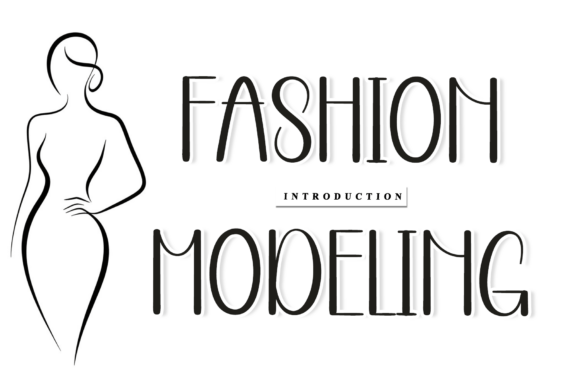
As I embarked on redesigning the header for my lifestyle blog, I was in search of a font that would not only catch the eye but also set the right tone. After sifting through numerous options, I stumbled upon Fashion Modeling, a lovely and timeless handwritten font that seemed to perfectly embody the elegance and charm I was looking for.
A Visual Character That Captivates
The first thing that struck me about Fashion Modeling was its unique and beautiful touch. Each letter flows gracefully, with a rhythm that feels both natural and sophisticated. The font's personality is one of refined elegance, making it an ideal choice for creating eye-catching logos, branding, and quotes. It has a certain editorial appeal that can elevate any design project, from a simple blog post to a comprehensive ebook.
Editorial Uses and Versatility
One of the key strengths of Fashion Modeling is its versatility. I found it particularly effective for blog headers, article titles, and magazine covers. For instance, when I used it for the cover of my latest recipe ebook, the font added a touch of sophistication and made the title stand out beautifully. It also works wonderfully for newsletter graphics, chapter openers, and pull quotes, where its distinct style can draw the reader's attention and enhance the overall reading experience.
Supporting Visual Hierarchy and Reader Attention
In the world of editorial design, visual hierarchy is crucial. Fashion Modeling excels in this area by providing a clear distinction between different elements. When used for titles and subtitles, it creates a strong focal point, guiding the reader's eye naturally through the content. This is especially important for long-form content, such as ebooks and digital magazines, where maintaining reader engagement is key.
Readability and Publication Identity
While Fashion Modeling is a display font, it still maintains a level of readability that makes it suitable for short text blocks and decorative accents. For longer reading, it's best to pair it with a more readable serif or sans serif font. This combination ensures that the publication identity is consistent and that the content remains accessible, whether viewed on a screen, mobile device, or in print.
Practical Considerations and Font Pairing
Before using Fashion Modeling in your projects, it's essential to check the included styles, alternates, ligatures, weights, and multilingual support. These features can add a lot of value to your designs, allowing you to create a more personalized and professional look. Additionally, consider the file formats and commercial licensing, especially if you plan to use the font in ebooks, templates, printables, or other digital downloads.
For a balanced and harmonious design, I recommend pairing Fashion Modeling with a clean and readable serif font like Garamond or a modern sans serif like Helvetica. This combination works well for body copy, captions, and navigation, ensuring that the overall design is both visually appealing and easy to read.
Realistic Examples and Applications
Imagine using Fashion Modeling for a wedding guide, where its elegant and romantic feel can perfectly complement the content. Or, for a coaching workbook, where its unique and beautiful touch can make the cover and section headings stand out, enhancing the user's experience. In a digital magazine layout, the font can be used for feature articles and pull quotes, adding a touch of creativity and flair.
Whether you're designing a blog header, a printable planner, or a course PDF, Fashion Modeling offers a premium font option that can significantly enhance your editorial design. Its timeless and handwritten style makes it a valuable asset for any designer looking to create a memorable and engaging reading experience.
In conclusion, Fashion Modeling is not just a font; it's a versatile and elegant typeface that can transform your editorial projects. With its unique character, practical considerations, and ability to support visual hierarchy and readability, it's a must-have for any designer's toolkit. Give it a try and see how it can elevate your next design project.